Choosing the Perfect Exotic Cat for Your Home
Bringing a cat into your home is a significant decision, especially when considering an exotic breed. Exotic cats can offer unique personalities, stunning appearances, and a variety of traits that set them apart from traditional domestic cats. However, with so many options available, how do you choose the perfect exotic cat for your family? This guide will help you navigate the world of exotic cats, ensuring you find the right companion for your lifestyle.

Understanding Exotic Cats
Exotic cats are often defined as breeds that have unique appearances or characteristics that differ from the typical domestic cat. Some popular exotic breeds include:
Bengal: Known for their striking coat patterns and energetic personalities.
Savannah: A hybrid breed that combines domestic cats with servals, known for their tall stature and playful nature.
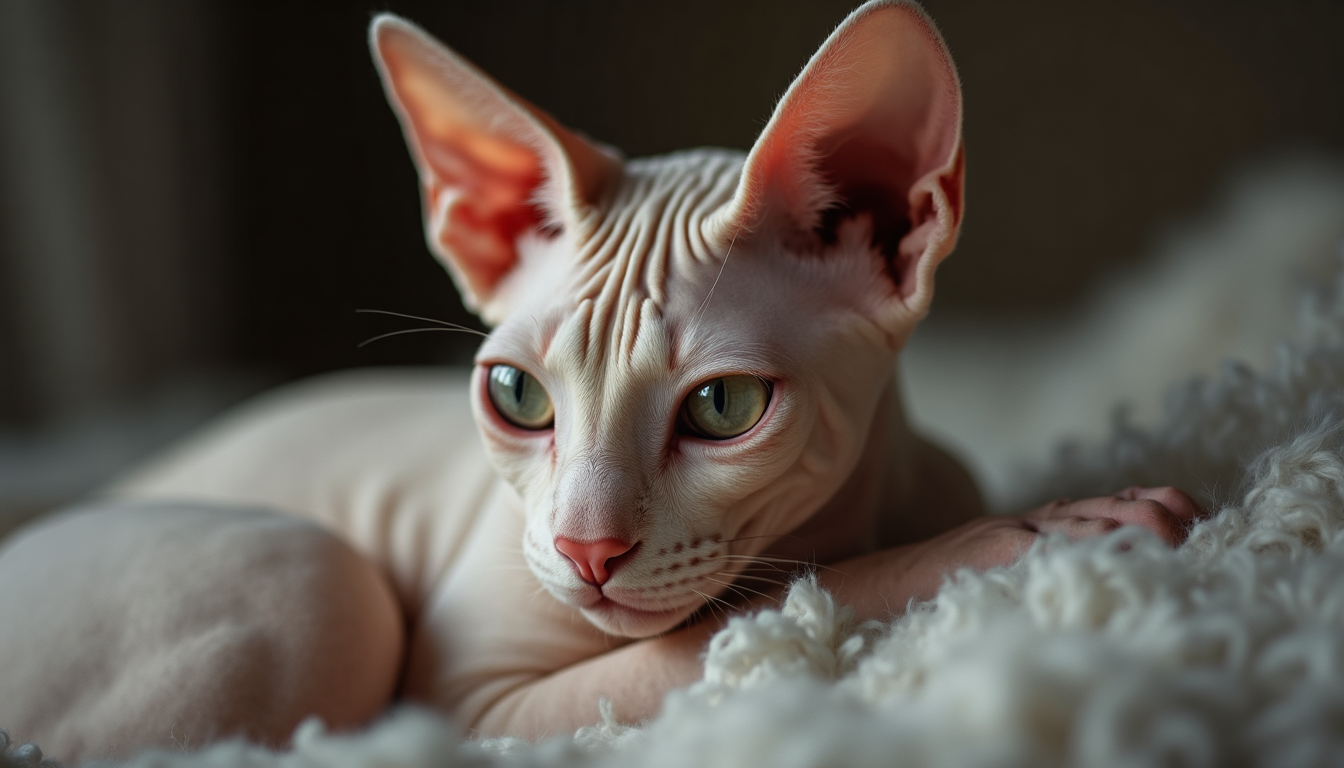
Sphynx: Recognizable for their lack of fur, these cats are affectionate and social.
Oriental Shorthair: With a variety of colors and patterns, these cats are known for their vocal nature and intelligence.
Each breed has its own set of characteristics, so it's essential to research and understand what makes each one unique.
Factors to Consider When Choosing an Exotic Cat
Lifestyle Compatibility
Before selecting an exotic cat, consider your lifestyle. Ask yourself the following questions:
Activity Level: Do you lead an active lifestyle, or do you prefer a more relaxed environment? Some breeds, like the Bengal, require more playtime and stimulation, while others, like the Sphynx, may be more adaptable to a quieter home.
Space: Do you live in a small apartment or a spacious house? Larger breeds like the Savannah may need more room to roam and play.
Allergies: Are you or anyone in your household allergic to cats? Some breeds, such as the Sphynx, may be more suitable for allergy sufferers due to their lack of fur.
Grooming Needs
Exotic cats can have varying grooming requirements. For example:
Bengals have short coats that require minimal grooming, while Persians (though not typically classified as exotic) need regular brushing to prevent matting.
Sphynx cats require regular bathing to remove oils from their skin, as they lack fur to absorb them.
Understanding the grooming needs of each breed can help you choose a cat that fits your maintenance preferences.
Temperament and Personality
Each breed has its own temperament, which can significantly impact your experience as a cat owner. Here are some general traits:
Bengals are known for their playful and energetic nature. They thrive on interaction and require plenty of playtime.
Savannahs are intelligent and curious, often enjoying activities that challenge their minds.
Sphynx cats are typically affectionate and enjoy being the center of attention.
Consider how much time you can dedicate to interacting with your cat and choose a breed that matches your personality.
Researching Breeders and Adoption
Once you have a clear idea of the breed that suits your lifestyle, it's time to find a reputable source. Here are some tips:
Breeders
Research: Look for breeders who are registered with recognized cat associations. Check their reputation through reviews and testimonials.
Visit: If possible, visit the breeder's facility to see the living conditions of the cats. A responsible breeder will prioritize the health and well-being of their animals.
Ask Questions: Inquire about the cat's health history, temperament, and any specific care needs.
Adoption
Consider adopting from a rescue organization or shelter. Many exotic breeds end up in shelters due to unforeseen circumstances. Here’s how to approach adoption:
Contact Local Shelters: Reach out to shelters that specialize in exotic breeds. They may have cats available for adoption.
Meet and Greet: Spend time with the cat to assess its personality and compatibility with your family.
Ask About History: Understanding the cat's background can help you prepare for any special needs it may have.
Preparing Your Home for an Exotic Cat
Once you’ve chosen your exotic cat, it’s time to prepare your home. Here are some essential steps:
Create a Safe Space
Designate a quiet area where your new cat can feel secure. This space should include:
A comfortable bed
Litter box
Food and water dishes
Toys for stimulation
Cat-Proof Your Home
Exotic cats are often curious and adventurous. To keep them safe, consider the following:
Secure Windows and Balconies: Ensure that all windows and balconies are secure to prevent escapes.
Remove Hazardous Items: Keep toxic plants, chemicals, and small objects out of reach.
Provide Scratching Posts: Cats need to scratch to maintain their claws and relieve stress. Provide scratching posts in various locations.
Stock Up on Supplies
Before bringing your cat home, gather essential supplies:
High-quality cat food
Litter and litter box
Toys and enrichment items
Grooming tools, if necessary
Health and Wellness Considerations
Exotic cats can have specific health needs. Here are some tips to ensure your cat stays healthy:
Regular Veterinary Care
Schedule regular check-ups with a veterinarian who has experience with exotic breeds. This includes:
Vaccinations
Spaying or neutering
Dental care
Nutrition
Provide a balanced diet tailored to your cat's breed and age. Consult with your veterinarian to determine the best food options.
Exercise and Enrichment
Exotic cats, especially active breeds, require regular exercise. Engage your cat with:
Interactive toys
Climbing structures
Playtime sessions
Building a Bond with Your Exotic Cat
Establishing a strong bond with your new cat is crucial for a happy relationship. Here are some strategies:
Spend Quality Time
Dedicate time each day to interact with your cat. This can include:
Play sessions with toys
Cuddling and petting
Training sessions to teach tricks or commands
Respect Their Space
While it's important to bond, also respect your cat's need for personal space. Allow them to approach you when they feel comfortable.
Use Positive Reinforcement
Encourage good behavior with treats and praise. This will help your cat associate you with positive experiences.
Conclusion
Choosing the perfect exotic cat for your home involves careful consideration of your lifestyle, the cat's needs, and how they will fit into your family. By understanding the unique traits of different breeds, preparing your home, and committing to their care, you can create a loving environment for your new feline friend. Remember, adopting a cat is a long-term commitment, and the right choice will lead to years of companionship and joy. Take your time, do your research, and enjoy the journey of finding your perfect exotic cat.

Comments